


Future Trends for Game Development Companies in Qatar

The gaming industry is changing rapidly. Better smartphones, faster internet connections, artificial intelligence, and immersive technologies are creating new opportunities for developers and businesses. In Qatar, growing interest in digital entertainment and technology-driven experiences is creating opportunities for companies that want to explore gaming as a business.
Imagine a player entering a virtual recreation of a traditional Qatari marketplace, competing with friends in an online tournament, or using an AI-powered character that responds differently to every decision. These experiences show how gaming is moving beyond traditional entertainment.
For businesses, understanding emerging trends can help them make smarter development decisions, reach new audiences, and build games that remain relevant as technology evolves.

What Are the Biggest Future Trends in Game Development in Qatar?
The future of game development in Qatar will likely be shaped by mobile gaming, artificial intelligence, cloud technology, immersive experiences, and more connected multiplayer environments. Each trend offers different opportunities depending on the audience, budget, and business objectives.
A Game development company in Qatar can help businesses evaluate these technologies and identify practical ways to incorporate them into new gaming projects.
Here are six important trends worth watching.
1. Mobile Gaming Will Continue to Create Opportunities
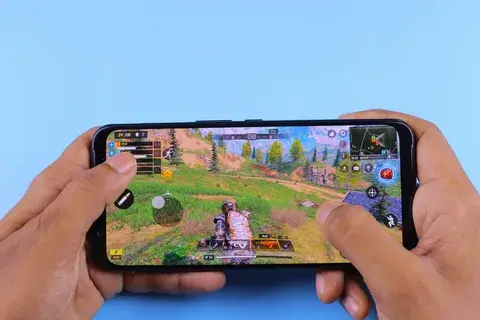
Mobile gaming remains an important part of the global gaming market because smartphones make games accessible to a broad audience. Players can enjoy casual puzzles, strategy challenges, multiplayer competitions, and story-driven adventures without purchasing dedicated gaming hardware.
Future mobile games will focus on responsive controls, shorter loading times, personalized experiences, and consistent performance across devices.
For example, a local entertainment brand could launch a mobile game featuring weekly challenges and digital rewards. Players could participate during their free time, while the business builds ongoing engagement.
A mobile game development company in Qatar can help businesses plan Android and iOS experiences with intuitive interfaces, optimized graphics, and gameplay designed around user preferences.
Arabic localization and culturally relevant themes may also help developers create experiences that connect with local audiences.
2. Artificial Intelligence Will Make Games More Adaptive
Artificial intelligence is changing how developers design characters, test gameplay, and personalize player experiences.
Instead of following only fixed scripts, AI-supported characters can respond to player actions within carefully defined rules. Games can also adjust difficulty, recommend challenges, and provide more relevant feedback based on gameplay patterns.
Consider an adventure game where opponents adapt to a player's preferred strategy. The experience could remain challenging without becoming unnecessarily frustrating.
An AI game development company in Qatar can help businesses explore intelligent non-player characters, procedural content generation, automated testing, and personalized gameplay.
However, AI should support the creative process rather than replace thoughtful game design. Developers must also consider privacy, quality control, and the reliability of AI-generated content.
3. Cloud Gaming Could Expand Access
Cloud gaming allows supported devices to stream games that run on remote servers. This approach can reduce the need for powerful local hardware, although performance depends on internet speed, latency, server availability, and the game itself.
As connectivity and infrastructure improve, cloud-based delivery may create opportunities for businesses that want to reach players across different devices.
For example, a player might access a visually demanding game on a compatible laptop without installing a large application.
Developers will need to optimize streaming quality, manage server costs, and account for network conditions. Cloud gaming is not the ideal solution for every project, particularly games that depend on extremely precise timing or reliable low-latency connections.
4. AR and VR Will Create More Immersive Experiences
Augmented reality (AR) and virtual reality (VR) allow players to interact with digital environments in new ways.
AR places virtual objects within real-world surroundings, often through smartphone cameras. VR uses compatible headsets to immerse players in computer-generated worlds.
These technologies could support interactive tourism experiences, educational games, virtual events, and location-based entertainment in Qatar.
Imagine a history-based game that allows students to explore a virtual environment inspired by regional heritage. Instead of reading about a location, they could interact with objects and complete educational challenges.
The main challenge is making these experiences comfortable, accessible, and affordable. Developers must choose hardware and interaction methods that suit their intended audience.
5. Blockchain Gaming Will Focus on Practical Applications
Blockchain technology may continue to influence selected gaming projects through digital asset ownership, verifiable transactions, and player-driven economies.
A Blockchain game development company in Qatar can help businesses assess whether these features offer meaningful benefits for a particular game.
For example, a game might use blockchain to record ownership of selected digital collectibles. However, introducing this technology also raises questions about transaction costs, security, regulation, and user experience.
Businesses should avoid adding blockchain simply because it is popular. The technology should solve a genuine problem, and players should be able to enjoy the core game without unnecessary complexity.
6. Multiplayer and Social Gaming Will Remain Important
Gaming is increasingly about playing with other people. Multiplayer modes, team challenges, community events, and competitive tournaments give users reasons to return.
Future games may place greater emphasis on cross-platform play, improved matchmaking, social features, and live events.
For businesses, these features can create opportunities to build communities around a game rather than relying entirely on one-time downloads.
Developers must also consider server stability, moderation tools, account security, and fair competition. A positive social experience depends on more than the gameplay itself.
How Can Businesses Prepare for These Trends?
Businesses should begin with a clear understanding of their audience and objectives.
Before investing in development, consider the following steps:
Research the audience: Understand player preferences, devices, language requirements, and gaming habits.
Choose suitable technology: Select tools that support the intended experience without unnecessary complexity.
Prioritize user experience: Make controls intuitive, navigation clear, and performance reliable.
Plan for updates: Budget for maintenance, security improvements, new content, and compatibility testing.
Measure performance: Track relevant indicators such as retention, session duration, completion rates, and revenue.
Companies planning connected digital products may also work with a Mobile App Development Company in Qatar to explore integrations between games, loyalty programs, user accounts, and other mobile services.
A well-planned project is more likely to deliver lasting value than one built around trends alone.
How Can Knick Global Help Businesses Explore Future Gaming Opportunities?
Knick Global helps businesses explore gaming and technology solutions based on their project goals and intended audiences. Its services can be considered by companies evaluating new game concepts, mobile experiences, and interactive digital products.
A successful development process begins with research and concept planning. It then moves through design, programming, testing, and optimization. Each stage should support the same objective: creating a game that people want to play.
Businesses can visit Knick Global to explore its services and learn more about potential development opportunities.
Conclusion
The future of game development in Qatar will be influenced by mobile gaming, AI, cloud delivery, immersive technologies, blockchain applications, and social gameplay.
Not every trend will suit every business. The strongest opportunities will come from choosing technologies that solve real problems, improve the player experience, and support clear commercial goals.
For businesses considering their next gaming project, the best time to plan is before development begins. By understanding emerging trends and working with an experienced team, they can build engaging experiences that adapt to changing player expectations.
Knick Global
King’s Road Tower, Floor 26, Unit 2607,Al Shati District, Jeddah 23412
+966 541002907



Comments