


Mobile Game Development Company in Saudi Arabia: Building Games for a Growing Market

Updated: Oct 31
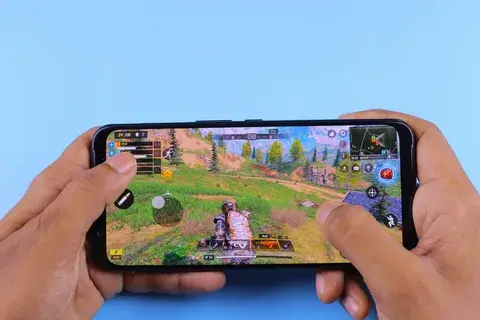
Mobile gaming has become a popular form of entertainment in Saudi Arabia. People use smartphones to play casual games, compete with friends, explore virtual worlds, and enjoy multiplayer challenges. As smartphone usage grows, businesses are finding new ways to connect with players through mobile games.
However, creating a successful game takes more than an interesting idea. It requires careful planning, engaging gameplay, attractive graphics, smooth performance, and a reliable development process. That's why choosing the right mobile game development company in Saudi Arabia is an important step for businesses that want to enter the gaming industry.
We help businesses turn their concepts into interactive mobile experiences. From the first idea to the final launch, our approach focuses on gameplay quality, user experience, and long-term growth. Moreover, we consider the needs of the target audience to create games that feel relevant and enjoyable.
In this guide, we'll explore the mobile gaming market, essential development services, popular game genres, important technologies, and the steps involved in building a successful mobile game.
Understanding the Mobile Gaming Market in Saudi Arabia
Saudi Arabia offers exciting opportunities for mobile game developers. Smartphones are part of everyday life, and mobile games provide convenient entertainment for people of different ages. Players can enjoy a quick puzzle during a break or spend hours competing in an online multiplayer game.
Furthermore, the country's growing interest in digital entertainment creates opportunities for startups, established businesses, and independent game creators.
Gaming businesses can explore several types of mobile experiences, including:
Casual games with simple controls and short sessions.
Multiplayer games that connect players online.
Strategy games that encourage planning and decision-making.
Racing and sports games with competitive features.
Role-playing games with stories, characters, and missions.
Educational games that make learning more interactive.
Social games that encourage communication and friendly competition.
However, every audience has different preferences. Therefore, we begin by understanding the intended players, their interests, and the main purpose of the game. This research helps us make better decisions about features, design, and monetization.
A reliable mobile game development company in Saudi Arabia should also understand the importance of localization. Arabic language support, right-to-left layouts, suitable visual themes, and culturally relevant content can help create a more comfortable experience for local players.
Why Businesses Need Professional Mobile Game Development Services
A game may start with a simple idea. However, turning that idea into a polished product requires several skills. Game designers, developers, artists, testers, and project managers must work together to build an enjoyable experience.
Professional development services help businesses manage this process more effectively. Instead of handling every technical task independently, businesses can work with a team that understands the different stages of game production.
Here are some key benefits.
1. Better Gameplay Design
Gameplay is the foundation of every successful game. Players should understand the controls, enjoy the challenges, and have reasons to continue playing.
We focus on creating clear game mechanics, balanced difficulty levels, and rewarding progression systems. In addition, we consider how each feature supports the main gaming experience.
2. Attractive Graphics and Animation
Visual quality can influence a player's first impression. However, attractive graphics must also work well on mobile devices.
Our development process can include 2D artwork, 3D environments, character animation, visual effects, and user interface design. As a result, the game can maintain a consistent visual style without sacrificing usability.
3. Reliable Performance
Players expect games to load quickly and respond smoothly. Frequent crashes, long loading times, and unresponsive controls can lead to frustration.
Therefore, we consider performance throughout development. We optimize assets, review memory usage, test different screen sizes, and identify technical issues before release.
4. Support for Future Growth
A mobile game may need new levels, seasonal events, extra characters, or multiplayer features after launch.
For this reason, we consider future updates during the planning stage. A flexible technical structure can make it easier to introduce improvements as the player community grows.
Mobile Game Development Services We Can Provide
Every game has different requirements. A simple puzzle game doesn't need the same systems as a large multiplayer adventure. Consequently, development services should match the project's goals, budget, and target audience.
As a development partner, we can support businesses across several stages of production.
Game Concept and Planning
First, we turn the initial idea into a practical development plan. This includes defining the target audience, core gameplay, unique selling points, and expected features.
We also help establish the project's scope. This step is important because it prevents unnecessary complexity and supports more realistic planning.
The planning stage may include:
Game concept development.
Audience and competitor research.
Feature prioritization.
Gameplay documentation.
Technical planning.
Budget and timeline estimation.
With a clear plan, the team can focus on building the features that matter most.
2D and 3D Mobile Game Development
Different game concepts require different visual approaches. For example, a casual puzzle game may work well with colorful 2D artwork. In contrast, a racing game may benefit from detailed 3D environments and realistic movement.
We develop mobile games according to the project's style and technical requirements. Our process considers visual quality, device performance, and the overall player experience.
Android and iOS Game Development
Android and iOS are important platforms for mobile gaming. However, developing for both platforms requires careful technical decisions.
We help businesses choose a suitable development approach based on their audience, budget, and feature requirements. Native development may suit certain projects, while cross-platform tools can reduce duplicated work for others.
Moreover, we test gameplay on different devices and screen sizes. This helps us identify compatibility issues and improve consistency across platforms.
Multiplayer Game Development
Multiplayer features allow players to compete or cooperate with others. These features can make a game more social and encourage repeat engagement.
Depending on the project, multiplayer development may include:
Real-time player interaction.
Online matchmaking.
Private rooms and invitations.
Leaderboards and rankings.
Player profiles and friend systems.
In-game chat and social features.
Server-side game logic.
However, multiplayer games require careful planning for network performance, security, and server capacity. We consider these requirements early to help create a stable experience.
Game UI and UX Design
A good interface helps players understand the game without confusion. Menus, buttons, icons, rewards, and settings should be easy to find.
We design interfaces that match the game's visual identity and support intuitive navigation. In addition, we consider accessibility, readable text, touch controls, and different screen sizes.
For the Saudi market, Arabic interface support may also be important. A properly designed right-to-left layout can improve usability for Arabic-speaking players.
Choosing the Right Game Engine and Technology
Technology influences how a game looks, performs, and develops over time. Therefore, choosing the right tools is an important part of the process.
A professional game development company should evaluate the game's requirements before recommending a technology stack. The best choice depends on gameplay complexity, target devices, graphics, networking, and available resources.
Unity
Unity is a widely used engine for 2D and 3D games. It offers tools for mobile development, animation, physics, interface design, and cross-platform publishing.
It can be a suitable option for casual games, puzzle games, multiplayer experiences, and many mid-sized projects.
Unreal Engine
Unreal Engine provides advanced rendering capabilities and tools for detailed 3D environments. It may suit projects that require high visual quality, complex scenes, or realistic lighting.
However, performance and device compatibility must be considered carefully when developing for mobile hardware.
Backend and Cloud Services
Many mobile games need systems beyond the game engine. These may include player accounts, cloud saves, leaderboards, inventory, matchmaking, and analytics.
We select backend solutions according to the game's scale and features. Furthermore, we consider data protection, server reliability, and future maintenance.
The goal is to build a technical foundation that supports both the launch and the game's long-term development.
The Importance of Arabic Localization in Saudi Arabia
Localization involves more than translating words. It adapts the game to the language, expectations, and preferences of its intended audience.
For a game targeting Saudi Arabia, Arabic localization can make the experience easier to understand. It can also help players feel more connected to the content.
Important localization elements include:
Accurate Arabic translation.
Right-to-left interface support.
Appropriate fonts and text spacing.
Localized instructions and tutorials.
Relevant dates, currencies, and formats.
Suitable cultural references and visual elements.
Arabic customer support where required.
In addition, localization should be tested on real devices. Arabic text can affect button sizes, menus, and screen layouts. Early testing helps identify these issues before launch.
A mobile game development company in Saudi Arabia should treat localization as part of the user experience rather than a last-minute task. This approach can help businesses create games that feel natural to their intended audience.
Mobile Game Development Opportunities Across the GCC
Saudi Arabia isn't the only market offering opportunities for mobile gaming. Other GCC countries also provide potential audiences for developers and businesses.
However, each market has its own characteristics. Therefore, companies should avoid using exactly the same strategy for every country.
Mobile Game Development Company in Qatar
Qatar offers opportunities for mobile games focused on entertainment, social interaction, and competitive play. Businesses can explore casual games, sports-themed experiences, multiplayer platforms, and location-aware concepts.
As a mobile game development company in Qatar evaluates a project, it should consider the target audience, preferred languages, platform requirements, and local market conditions.
For businesses planning regional expansion, a flexible game architecture can support future localization and feature updates.
Mobile Game Development Company in Bahrain
Bahrain provides opportunities for businesses exploring mobile entertainment and community-based gaming. Simple controls, engaging progression, and social features can help make games accessible to a broad audience.
Working with a mobile game development company in Bahrain can help businesses plan a product around their specific audience and commercial goals.
Moreover, mobile performance and a straightforward onboarding process can improve the first-time player experience.
Mobile Game Development Company in Kuwait
Kuwait is another market businesses may consider when planning a GCC gaming strategy. Depending on the concept, opportunities may include casual games, card games, strategy experiences, and competitive multiplayer titles.
A mobile game development company in Kuwait should consider localization, payment preferences, player retention, and the technical demands of the selected game genre.
Businesses should also test their concepts before investing in a large production. Early feedback can reveal which features players value most.
Mobile Game Development Company in Oman
Oman can be included in a broader regional mobile gaming strategy. Developers may explore family-friendly games, educational experiences, casual entertainment, and online multiplayer concepts.
A mobile game development company in Oman should consider device compatibility, internet conditions, language support, and the intended audience.
Furthermore, businesses planning to serve several GCC markets should build systems that allow content, languages, and selected features to be adjusted without rebuilding the entire game.
How We Develop a Mobile Game: Step by Step
A structured process helps keep development organized. It also makes it easier to track progress, manage risks, and identify problems early.
Although every project is different, our development process can include the following stages.
Step 1: Discovery and Requirements
We begin by discussing the game idea, business goals, audience, and essential features.
At this stage, we identify the core gameplay loop and determine what the first release needs. We also review technical requirements and potential challenges.
Step 2: Game Design and Prototyping
Next, we develop the game concept in greater detail. This may include gameplay rules, character concepts, interface layouts, level structures, and progression systems.
A prototype can help us test the main mechanics before full production begins. Consequently, we can identify weaknesses early and reduce unnecessary rework.
Step 3: Art and Development
Once the core concept is approved, we begin production. Designers create the required visual assets while developers build the gameplay systems.
We also integrate essential features such as player accounts, rewards, sound, and multiplayer functionality when required.
Regular reviews help us check that the product remains aligned with the approved design.
Step 4: Testing and Optimization
Testing helps us identify bugs and usability problems before release. We check controls, menus, device compatibility, loading times, and game progression.
For online games, we may also evaluate connectivity, matchmaking, and server behavior.
Furthermore, we review performance on devices with different hardware capabilities. This helps us improve stability across the intended audience.
Step 5: Launch and Maintenance
After testing and release preparation, the game can be submitted to the relevant app stores.
However, development doesn't necessarily end at launch. Updates may be needed to fix bugs, introduce content, and improve player engagement.
We can also review player feedback and analytics to identify areas for improvement.
How Much Does Mobile Game Development Cost in Saudi Arabia?
The cost of mobile game development depends on several factors. Therefore, it's difficult to provide an accurate estimate without understanding the project.
A simple 2D game may require fewer resources than a detailed 3D multiplayer title. Similarly, a game with complex backend systems will generally involve more work than an offline experience.
Key cost factors include:
Game type and complexity.
Number of levels and characters.
2D or 3D graphics requirements.
Animation and sound production.
Android, iOS, or cross-platform support.
Multiplayer and backend features.
Arabic localization requirements.
Testing, deployment, and maintenance.
Post-launch updates and live operations.
To manage costs, we recommend starting with the essential features. A minimum viable product (MVP) can help test the core concept before expanding the game.
For example, a business could launch a small version with essential gameplay and a limited number of levels. After gathering feedback, the team can decide which features should come next.
This approach supports more informed decisions and helps reduce the risk of investing in features that players may not need.
How to Choose a Reliable Mobile Game Development Partner
Choosing a development partner is an important business decision. The right team should understand your goals and explain the technical process clearly.
Before making a decision, consider the following factors.
Review the Portfolio
Look for examples that match your project. If you're planning a multiplayer game, review the team's experience with online systems. For a 3D title, examine visual quality, animation, and performance.
Check Technical Experience
Ask which game engines, programming tools, and backend technologies the team uses. More importantly, understand why those technologies are suitable for your project.
Discuss Communication
Regular updates help prevent misunderstandings. Before starting, agree on milestones, feedback sessions, approval stages, and reporting methods.
Understand the Full Scope
Request a clear explanation of deliverables. The agreement should identify what is included, what may cost extra, and how changes will be handled.
Ask About Post-Launch Support
Games often need updates after release. Therefore, discuss bug fixes, server monitoring, content updates, and future feature development before signing an agreement.
A dependable development partner should provide realistic expectations rather than promising instant success.
Monetization Strategies for Mobile Games
A mobile game needs a suitable business model if it is expected to generate revenue. However, monetization should fit the gameplay and audience.
Common approaches include:
In-app purchases: Players can purchase virtual coins, characters, cosmetic items, or additional content.
Advertising: Rewarded videos and other ad formats can generate revenue while allowing players to access some features for free.
Subscriptions: A subscription can offer recurring benefits, premium access, or exclusive content.
Paid downloads: Players pay once to download and access the game.


Comments