


Top 8 Qualities of a Game Development Company in Kuwait

The gaming industry continues to create opportunities for businesses looking to reach new audiences through interactive digital experiences. In Kuwait, growing interest in mobile entertainment, online gaming, and emerging technologies is encouraging companies to explore their own gaming projects.
However, building a successful game requires more than attractive graphics. It takes technical expertise, creative thinking, careful planning, and a strong understanding of player expectations.
So, what separates an average development partner from an excellent one?
Whether you are planning a mobile game, a multiplayer experience, or a branded gaming application, understanding these eight qualities can help you choose the right partner for your project.

1. Strong Technical Expertise and Development Skills
Technical expertise is one of the most important qualities to evaluate when choosing a development partner. A successful game must perform reliably, respond quickly to player actions, and work smoothly on its intended platforms.
An experienced Game development company in Kuwait should understand relevant game engines, programming languages, graphics technologies, and backend systems.
For example, Unity and Unreal Engine can support different types of 2D, 3D, and immersive gaming projects. The right choice depends on the game's visual requirements, complexity, target devices, and budget.
Businesses should also ask about optimization, server architecture, security, and device compatibility. These technical details influence the final experience just as much as the visual design.
2. A Creative Approach to Game Design
Players have plenty of entertainment options. A game needs an interesting concept and enjoyable mechanics to capture their attention.
Creative development teams look beyond familiar ideas. They explore original storylines, distinctive characters, engaging challenges, and reward systems that give players a reason to continue.
Imagine a business launching a promotional game. Instead of presenting customers with a standard advertisement, it introduces an interactive challenge with levels, achievements, and meaningful rewards. The experience becomes more engaging because users actively participate.
Good creativity also involves knowing what to leave out. Too many features can make a game confusing, expensive, and difficult to maintain.
3. Expertise in Mobile Gaming
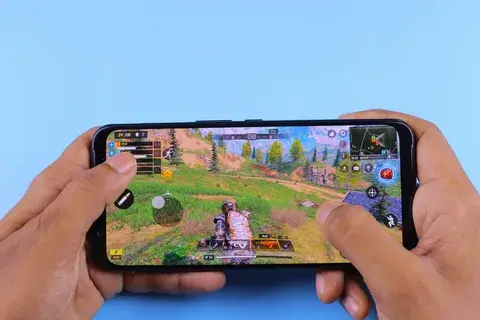
Smartphones have made gaming accessible to people throughout the day. However, developing a successful mobile game requires careful attention to screen size, battery consumption, loading speed, and touch controls.
A reliable mobile game development company in Kuwait should know how to design interfaces that feel natural on smartphones and tablets.
This includes readable text, responsive buttons, straightforward navigation, and controls that work comfortably on different screen sizes.
Developers should also test games across relevant Android and iOS devices. A game that performs well on a high-end smartphone may struggle on a device with limited memory or processing power.
Mobile optimization helps businesses reach more players without compromising the quality of the experience.
4. A Clear and User-Focused Development Process
Game development involves several stages, including research, planning, prototyping, design, programming, testing, and launch. Without a clear process, projects can experience delays, unnecessary costs, and conflicting expectations.
A dependable partner explains what happens at each stage and establishes realistic milestones.
Businesses should expect regular progress updates, opportunities to review prototypes, and clear communication about potential challenges. These practices make it easier to identify problems before they become expensive to fix.
A playable prototype is particularly useful. It allows stakeholders to test the basic mechanics before committing to the full development budget.
5. Knowledge of Emerging Gaming Technologies
Modern games can incorporate technologies that create new forms of interaction. However, the most effective development teams understand when these technologies are genuinely useful.
An AI game development company in Kuwait can help businesses explore intelligent non-player characters, adaptive difficulty, personalized challenges, and AI-assisted testing.
For example, an educational game could adjust its difficulty according to a player's progress, making lessons more suitable for different skill levels.
Blockchain technology offers other possibilities, such as verifiable ownership of selected digital assets and transparent in-game transactions. A Blockchain game development company in Kuwait can assess whether these features fit a project's objectives.
Businesses should prioritize practical benefits rather than adopting emerging technologies simply because they are popular.
6. Strong Communication and Collaboration
Even a technically skilled team can struggle if communication is inconsistent.
Successful projects require developers, designers, business owners, and other stakeholders to share the same understanding of the game's objectives.
A good development partner listens carefully, asks relevant questions, and explains technical decisions in accessible language. It should also provide clear channels for feedback and keep stakeholders informed when requirements or timelines change.
Before signing an agreement, businesses should discuss reporting schedules, revision policies, project documentation, and responsibility for important decisions.
Clear communication reduces misunderstandings and helps everyone work toward the same outcome.
7. A Commitment to Quality Assurance and Security
Testing should never be treated as a final task performed just before launch. It needs to happen throughout development.
Quality assurance helps identify gameplay bugs, crashes, interface problems, performance issues, and compatibility errors. User testing can also reveal features that players find confusing or frustrating.
Security matters, too. Games that include accounts, multiplayer features, payments, or personal information require appropriate safeguards.
Developers should consider secure authentication, protection against common exploits, responsible data handling, and reliable server infrastructure where relevant.
A thorough testing process helps businesses deliver a more stable and trustworthy gaming experience.
8. Long-Term Support and Continuous Improvement
Launching a game is an important milestone, but it is not the end of development.
Player expectations change, operating systems receive updates, and technical problems can emerge after release. Businesses may also want to introduce new levels, characters, events, or monetization options.
A strong development partner plans for these needs from the beginning.
Post-launch support may include bug fixes, performance monitoring, compatibility updates, and feature improvements based on player feedback.
Businesses creating connected digital experiences can also consult a Mobile App Development Company in Kuwait to explore integrations between games, customer accounts, loyalty programs, and other mobile services.
Regular updates should serve a purpose. Analytics and user feedback can help determine which improvements are worth prioritizing.
Why Choose Knick Global for Your Game Development Project?
Knick Global helps businesses explore gaming and technology solutions aligned with their goals, audiences, and project requirements.
When evaluating a potential development partner, businesses should review its portfolio, discuss their technical needs, and establish clear expectations for quality, communication, delivery, and ongoing support.
A well-planned project begins with a clear understanding of the intended player experience. Every design and technical decision should support that goal.
Visit Knick Global to explore its gaming and technology services and learn more about potential development solutions for your business.
Conclusion
Choosing the right development partner can influence the quality, performance, and long-term success of a gaming project.
The eight qualities to look for are technical expertise, creative design, mobile development skills, a clear workflow, knowledge of emerging technologies, effective communication, thorough testing, and dependable post-launch support.
For businesses in Kuwait, these factors provide a practical framework for comparing development providers and making informed decisions.
Ultimately, the best partner is not simply the one that can build a game. It is the one that understands your objectives and can turn them into an engaging, reliable experience that players want to return to.



Comments