


Game Development Company in Kuwait: How to Build a Successful Game


Introduction
Game development company in Kuwait services can help businesses, startups, and entrepreneurs turn creative gaming ideas into engaging digital products. Today, game development involves much more than attractive graphics. It requires careful planning, strong storytelling, intuitive gameplay, suitable technology, testing, and a clear launch strategy. Moreover, Kuwait offers an increasingly interesting environment for digital businesses looking to explore gaming, mobile applications, immersive experiences, and emerging technologies. Therefore, choosing the right development approach can make a major difference to a game's quality and scalability. Whether you want to build a mobile game, multiplayer experience, blockchain game, AI-powered game, or metaverse project, a structured development process can help transform an initial concept into a playable product.
Why Game Development in Kuwait Is Growing
Gaming has become an important part of the global digital entertainment industry. At the same time, businesses across the Middle East are exploring interactive technologies to reach younger and digitally active audiences.
Kuwait provides opportunities for companies that want to create locally relevant gaming experiences while also targeting international markets. Furthermore, developers can combine regional themes with modern game mechanics to create products that appeal to different audiences.
A professional Game Development Company in Kuwait can help clients manage the complete development lifecycle. This may include:
Game concept development
Market and audience research
Game design
UI and UX design
2D and 3D development
Character design
Game programming
Multiplayer development
Quality assurance
Game monetization
Launch support
Post-launch maintenance
However, technology alone does not guarantee success. A game must provide players with a reason to continue playing.
Define Your Game Concept First
Before development begins, you need a clear concept. A strong idea gives the development team a foundation for every later decision.
Start by defining the game's genre. For example, you could develop an action game, strategy game, role-playing game, sports game, puzzle game, simulation game, or casual mobile game.
Next, identify your target audience. Consider their age group, gaming preferences, devices, spending habits, and expected gameplay experience.
Also, answer a few important questions:
What makes the game different?
Who will play it?
What problem or entertainment need does it address?
Which platform will support it?
How will players discover it?
How will the game generate revenue?
A simple concept can become a successful game when the development team executes it carefully. Conversely, an ambitious concept without clear planning can become expensive and difficult to manage.
Research the Kuwait Gaming Audience
Audience research should happen before major development spending begins. Therefore, analyze the market and identify what potential players expect from your game.
Look at existing games within your chosen genre. Study their gameplay mechanics, pricing, reviews, visual style, and monetization methods. In addition, identify gaps that your project could address.
For a Kuwait-focused project, regional culture can also provide creative inspiration. Local environments, stories, architecture, traditions, and social experiences can influence characters, settings, missions, and visual elements.
However, cultural references should feel natural. They should support the game instead of appearing as simple marketing additions.
A Game Development Company in Kuwait can use these insights to shape gameplay and design decisions before production becomes expensive.
Choose the Right Game Platform
Platform selection affects development costs, design, performance, and marketing.
Mobile Games
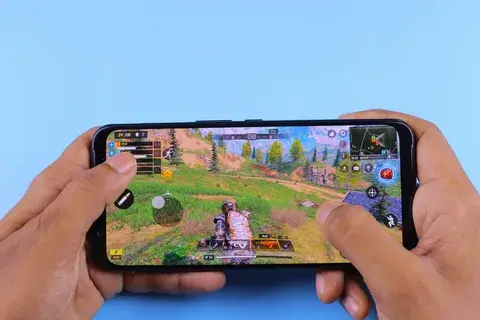
Mobile gaming offers access to a large audience because smartphones are widely used for entertainment. Therefore, businesses often consider Android and iOS when planning new games.
A mobile game development company in Kuwait can create games designed around touch controls, shorter sessions, mobile performance, and different screen sizes.
Mobile games may include:
Puzzle games
Casual games
Strategy games
Multiplayer games
Educational games
Sports games
Simulation games
However, mobile users expect quick loading times and simple controls. Therefore, developers should optimize the experience for different devices.
PC and Console Games
PC and console games can support more advanced graphics, complex mechanics, and longer gameplay sessions.
However, these projects can require larger development teams and longer production cycles. Consequently, businesses should select this approach when the concept requires deeper gameplay or advanced visual performance.
Design Gameplay Before Building Everything
Gameplay is the heart of a successful game. Graphics can attract attention, but gameplay encourages players to return.
Start by creating the core gameplay loop. This means identifying what players repeatedly do during the game.
For example:
Explore → Complete Challenge → Earn Reward → Upgrade → Unlock New Content → Repeat
The loop should remain interesting without becoming repetitive.
Next, develop game rules, player progression, rewards, challenges, levels, characters, and interactions. Furthermore, create prototypes before building the complete game.
A prototype helps developers identify problems early. As a result, the team can make changes before investing heavily in production.
Work With a Game Development Company in Kuwait
Choosing the right development partner can influence the entire project. A professional Game Development Company in Kuwait can bring together designers, programmers, artists, testers, and project managers.
When evaluating a development company, consider its:
Game development experience
Technical expertise
Portfolio
Communication process
Development methodology
Testing capabilities
Post-launch support
Understanding of your target audience
Also, ask how the company handles project changes. Game development can evolve during production, so a flexible development process is useful.
If you plan to hire game developers in Kuwait, define the required skills before recruitment. You may need Unity or Unreal Engine developers, gameplay programmers, 3D artists, UI designers, game testers, backend developers, and project managers.
Build an Engaging User Experience
Players should understand how to start and play the game without unnecessary confusion.
Therefore, keep menus simple. Use clear icons, readable text, consistent navigation, and responsive controls.
For mobile games, touch interactions should feel natural. Meanwhile, PC and console projects should use controls that match player expectations.
Additionally, sound design can improve immersion. Music, environmental sounds, character effects, and feedback sounds can make actions feel more meaningful.
Consider AI Game Development in Kuwait
Artificial intelligence is creating new possibilities for interactive experiences. For example, AI can support non-player characters, procedural content, personalization, analytics, and adaptive gameplay.
An ai game development company in Kuwait can help businesses explore AI-driven features based on the project's requirements.
AI can potentially support:
Smarter NPC behavior
Personalized challenges
Dynamic game environments
Automated content generation
Player behavior analysis
Intelligent recommendations
Conversational game characters
However, AI should have a clear purpose. Adding AI simply because it is popular may increase complexity without improving the player experience.
AI can also connect with broader digital products. For example, AI application development in Kuwait can support companion applications, intelligent customer experiences, recommendation systems, or other services connected to a gaming ecosystem.
Explore Blockchain Game Development in Kuwait
Blockchain technology can introduce different approaches to digital ownership and game economies.
Blockchain Game development in Kuwait may involve concepts such as digital assets, token-based ecosystems, blockchain marketplaces, or player-owned items.
However, blockchain should only be included when it adds meaningful value to the game. Developers must also consider user experience, security, transaction processes, and applicable regulations.
The game should remain enjoyable even when blockchain features are not the primary attraction.
Connect Gaming With Mobile App Development
Sometimes, a game can benefit from a supporting application.
A mobile app development company in Kuwait can build companion apps that provide features such as player profiles, notifications, leaderboards, account management, community functions, or event updates.
For example, a multiplayer game could have a companion app where players manage profiles and receive tournament notifications.
Therefore, gaming and mobile applications can work together as part of a broader digital ecosystem.
Consider Metaverse Game Development Services.
Immersive digital environments can create new opportunities for interactive experiences.
Metaverse Game Development Services can include virtual worlds, avatars, multiplayer environments, digital communities, interactive spaces, and immersive events.
A metaverse project should still begin with a clear user purpose. Players need meaningful activities rather than simply entering a large virtual environment.
For example, a virtual game could allow players to explore spaces, complete missions, participate in events, communicate with other users, and customize avatars.
Moreover, scalable backend architecture becomes especially important when many users interact within the same environment.
Develop the Game in Stages
A large game should not necessarily be built all at once.
Instead, divide development into manageable stages.
Stage 1: Discovery
Define the concept, audience, platform, genre, features, and business objectives.
Stage 2: Game Design
Create gameplay mechanics, user flows, characters, environments, levels, rewards, and interface concepts.
Stage 3: Prototype
Build a small playable version. Then test whether the core gameplay actually works.
Stage 4: Production
Develop the complete game, including programming, art, animation, audio, levels, backend systems, and other required features.
Stage 5: Testing
Test gameplay, performance, controls, compatibility, security, and usability.
Stage 6: Launch
Prepare app stores, marketing assets, community channels, analytics, and release campaigns.
Stage 7: Post-Launch
Track player feedback, fix bugs, release updates, and introduce new content when appropriate.
This staged approach makes the project easier to manage. Furthermore, it allows teams to identify problems before they become expensive.
Testing Is Essential for Game Success
A game may look excellent during development but still contain serious gameplay problems.
Therefore, testing should happen throughout production rather than only before launch.
Developers should test:
Game controls
Loading performance
Graphics
Audio
Multiplayer features
Device compatibility
Network performance
In-game purchases
Security
User interface
Save systems
Game balance
Beta testing can also provide valuable feedback from real players.
Furthermore, analytics can show where players stop playing, which levels cause difficulty, and which features receive the most interaction.
Create a Practical Monetization Strategy
A successful game also needs a suitable business model.
Common monetization options include:
In-App Purchases
Players can purchase cosmetic items, upgrades, characters, or other optional content.
Advertising
Free games may generate revenue through advertisements. However, excessive advertising can negatively affect the user experience.
Premium Pricing
Players pay once to download or access the game.
Subscription
A subscription model can provide recurring access to premium content or services.
Digital Items
Games can offer cosmetic or functional digital assets depending on their design.
The right model depends on the audience and game genre. Therefore, monetization should be considered during game design rather than added at the last minute.
Promote Your Game Before Launch
Marketing should begin before the game reaches the market.
Create a landing page, social media presence, teaser videos, screenshots, developer updates, and other promotional materials.
Moreover, build a community around the project. Early followers can become testers, provide feedback, and share the game after launch.
Search engine optimization can also help people discover the game online. Use relevant keywords naturally across your website, landing pages, blog content, and store descriptions.
However, marketing claims should accurately represent the actual game experience.
How Much Does Game Development Cost in Kuwait?
Game development costs vary significantly.
The final budget depends on:
Game complexity
Platform
Number of features
2D or 3D graphics
Multiplayer requirements
AI integration
Blockchain functionality
Metaverse features
Number of characters and levels
Development team size
Testing requirements
Post-launch support
A simple mobile game can require a very different budget from a large multiplayer game.
Therefore, businesses should prepare a detailed project scope before requesting a development estimate. A professional development team can then break the project into features, milestones, resources, and estimated costs.
Common Mistakes to Avoid
Several mistakes can create unnecessary development problems.
Starting Without a Clear Scope
A vague concept can cause constant changes. Therefore, define the core features before development begins.
Focusing Only on Graphics
Beautiful visuals cannot compensate for weak gameplay. Instead, balance visual quality with mechanics, usability, and performance.
Ignoring Testing
Small bugs can become major problems after launch. Therefore, test continuously.
Building Too Many Features
More features do not automatically create a better game. Start with the features that support the main gameplay experience.
Forgetting Post-Launch Support
Games often require updates after launch. Therefore, plan resources for maintenance, bug fixes, optimization, and new content.
Build Your Game With a Clear Development Strategy
Building a successful game requires more than an interesting idea. It requires audience research, thoughtful game design, suitable technology, strong programming, testing, marketing, and ongoing improvement. Therefore, businesses should approach game development as a complete product journey rather than a single technical project.
A Game Development Company in Kuwait can support this journey by combining creative design with modern development technologies. In addition, specialized options such as mobile game development company in Kuwait, blockchain Game development in Kuwait, ai game development company in Kuwait, and Metaverse Game Development Services can help businesses explore different types of interactive products.
Ultimately, the strongest approach is to begin with a clear concept, build a focused prototype, test it with users, and then expand based on real feedback. With the right planning and development team, a gaming idea can grow into a polished digital experience designed for Kuwait and audiences beyond the region.



Comments