


Game Development Trends Shaping the Future of Gaming in 2026


The gaming industry continues to evolve as new technologies change how we create, play, and experience games. From artificial intelligence to cloud gaming, developers now have more ways to build interactive worlds and connect with players. A game development company in Saudi Arabia can help us explore these opportunities by combining creative design with modern technology. However, adopting every new trend isn't always the right approach. We need to understand which innovations solve real problems, improve gameplay, and support our business goals. In this guide, we'll explore the major game development trends shaping 2026 and how we can use them to build engaging, future-ready gaming experiences.
1. Artificial Intelligence Is Transforming Game Development
Artificial intelligence is becoming an important tool throughout the game development process. We can use AI-assisted tools to explore concepts, support coding, generate early art references, and automate selected testing tasks. AI can also help us create non-player characters (NPCs) that respond more naturally to player actions. These applications may reduce repetitive work and give our teams more time to refine gameplay. However, AI-generated results still need human review. Our creative direction, technical expertise, and quality standards remain essential for building a consistent and enjoyable game.
Use AI tools to support prototyping and repetitive tasks.
Develop NPCs that react to gameplay conditions.
Review AI-generated code, artwork, and dialogue.
Keep human creativity and testing at the centre of production.
2. Cloud Gaming Is Expanding Access
Cloud gaming allows players to run games on remote servers and stream the experience to compatible devices. This can reduce the need for expensive local hardware, depending on the service and game. For developers, cloud-based delivery may create new opportunities to reach audiences across phones, computers, and televisions. However, performance depends on internet quality, server availability, and latency. We should evaluate these factors before building a game around cloud streaming. A reliable experience requires careful optimization and a clear understanding of our intended audience.
Explore cloud delivery for games that suit streamed gameplay.
Optimize loading times and network-dependent interactions.
Consider connection quality across target markets.
Provide suitable alternatives when cloud access isn't practical.
3. Mobile Gaming Continues to Drive Innovation
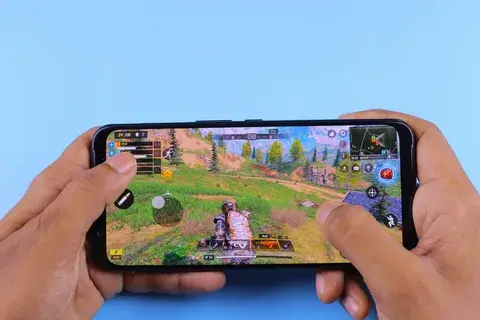
Mobile gaming remains an important area for developers because smartphones make games accessible to a broad range of players. New projects can combine simple controls with advanced graphics, social features, and regular content updates. However, mobile development requires careful attention to device performance, battery use, screen sizes, and operating system differences. We should also think about how players discover our game and what encourages them to return. A game development company in Qatar may be one option to evaluate when comparing regional mobile development services, based on relevant experience and project requirements.
Design controls for touchscreens and different screen sizes.
Optimize performance for a range of mobile devices.
Create intuitive onboarding and progression systems.
Test monetization and retention features with real players.
4. Cross-Platform Gaming Is Connecting More Players
Cross-platform development allows players to access a game across supported devices. Cross-play can also let users on different platforms play together. These features help us reach broader audiences and create more connected communities. Yet supporting multiple platforms introduces additional work. We need to account for differences in controls, performance, interface design, and platform requirements. Multiplayer cross-play may also require account linking, matchmaking, and careful balance between input methods. Before committing to cross-platform functionality, we should identify which devices our audience uses and prioritize the combinations that provide the most value.
Plan platform support early in development.
Design interfaces that work across different screen sizes.
Test performance and controls on each supported device.
Evaluate cross-play requirements, account systems, and matchmaking.
5. Augmented and Virtual Reality Are Creating Immersive Experiences
Augmented reality (AR) adds digital elements to real-world surroundings, while virtual reality (VR) places players inside a simulated environment. These technologies can support entertainment, interactive storytelling, training, and educational games. As hardware and development tools evolve, we can explore more natural ways for players to interact with digital content. Still, immersive design needs careful planning. VR experiences should consider player comfort, while AR games must account for physical surroundings and device capabilities. Our goal should be to make immersion meaningful rather than using it simply because the technology is available.
Explore AR for location-aware and real-world interactions.
Use VR for immersive environments and spatial gameplay.
Design comfortable movement and intuitive controls.
Test accessibility, tracking, and hardware compatibility.
6. Procedural Content Generation Is Building More Varied Worlds
Procedural content generation uses algorithms to create game elements such as maps, levels, environments, and items. AI can support this process by helping generate variations and adapt selected content to different gameplay conditions. These methods can reduce manual work and make exploration more varied. However, automatically generated content still needs careful review. We should ensure that levels are playable, challenges remain balanced, and environments support the game's overall design. Combining procedural systems with handcrafted content can help us maintain quality while offering players fresh experiences.
Generate variations of maps, levels, and environments.
Create reusable systems for missions and challenges.
Review generated content for balance and quality.
Combine automated generation with purposeful design.
7. Multiplayer Games Are Becoming More Social
Multiplayer games offer more than competition. They give players opportunities to cooperate, communicate, share achievements, and build communities. Social features such as private rooms, team challenges, friend lists, and seasonal events can strengthen engagement when they're designed around player needs. However, online experiences require reliable networking and suitable moderation. We must also consider cheating, harassment, account security, and the protection of personal information. A game development company in Bahrain may be worth considering for a multiplayer project if its portfolio demonstrates the necessary networking and live-service expertise.
Add social features that support the core gameplay.
Build reliable matchmaking and multiplayer systems.
Provide reporting, blocking, and moderation tools.
Monitor server performance and player feedback.
8. Live-Service Games Are Focusing on long-term engagement?
Live-service games continue to evolve after launch through updates, events, new levels, seasonal content, and community activities. This approach allows us to respond to player feedback and give audiences reasons to return. However, it also requires an ongoing production plan. We need to budget for server operations, technical support, content creation, and regular testing. Updates should improve the experience rather than overwhelm players with unnecessary features. A clear roadmap can help us balance new content with stability and long-term sustainability.
Plan a realistic schedule for updates and new content.
Monitor player engagement and technical performance.
Prioritize improvements based on feedback and data.
Budget for maintenance beyond the initial launch.
9. Blockchain and Digital Ownership Need Clear Use Cases
Blockchain technology can support certain game features involving verifiable digital ownership or blockchain-based transactions. However, these systems aren't necessary for every gaming project. We should first decide whether they solve a real problem for our players. If we include them, we need to consider transaction costs, security, usability, and applicable rules. The core gameplay should remain enjoyable and accessible, even for users who aren't familiar with digital wallets or blockchain systems. Technology should support the experience, not become an obstacle to enjoying it.
Assess whether digital ownership adds meaningful value.
Explain transactions and ownership terms clearly.
Review security, platform policies, and legal requirements.
Avoid adding blockchain features without a defined purpose.
10. Game Personalization Is Improving Player Experiences
Players have different interests, abilities, and expectations. Personalization can help us offer suitable challenges, optional rewards, and recommendations based on gameplay preferences. For example, a game might provide extra guidance to a new player or suggest an optional mission that matches previous progress. When used thoughtfully, these features can make a game feel more welcoming. However, personalization shouldn't make difficulty unpredictable or pressure players into spending money. We need to respect player choice and use data responsibly while keeping the experience fair.
Offer optional guidance for different skill levels.
Recommend content that fits player interests.
Make important difficulty settings clear and accessible.
Protect personal data and avoid manipulative design.
11. Game Security and Accessibility Are Becoming Essential
As games add online accounts, digital purchases, social systems, and connected services, security becomes increasingly important. We need to protect user information and reduce opportunities for cheating or unauthorized access. Accessibility matters just as much. Clear interfaces, adjustable controls, subtitles, colour options, and flexible difficulty settings can help more people enjoy our games. These considerations should be included from the start rather than added only after problems appear. A game development company in Kuwait may be one provider to evaluate if it can demonstrate experience in secure systems and accessible design.
Protect accounts and sensitive player information.
Test systems for common security weaknesses.
Include subtitles, readable text, and flexible controls.
Review accessibility throughout development and testing.
12. Arabic Localization Is Supporting Regional Gaming Audiences
Localization helps us adapt games for the languages, preferences, and expectations of different audiences. For Arabic-speaking players, this may include translated dialogue, right-to-left interfaces, appropriate fonts, and culturally relevant content. Localization can also affect voice acting, store descriptions, tutorials, and promotional materials. Planning these details early can reduce rework and create a more natural experience. When expanding into regional markets, we should test localized builds with native speakers and verify that text displays correctly across supported devices.
Plan Arabic and English support when appropriate.
Test right-to-left layouts and text alignment.
Review dialogue, cultural context, and visual content.
Localize tutorials, store listings, and support materials.
13. Sustainable Development and Smarter Production Workflows
Efficient production is another important consideration for modern game teams. We can reduce wasted effort by using reusable assets, automated testing, shared pipelines, and clear approval processes. Cloud infrastructure can also help teams scale certain development and testing tasks when used appropriately. At the same time, unnecessary processing and poorly optimized builds can increase costs. We should measure whether new tools genuinely improve productivity. A game development company in Oman may be one option to assess when exploring regional development partnerships, provided it can meet our quality, technical, and delivery requirements.
Reuse suitable assets and systems across the project.
Automate repetitive tests and production tasks.
Track performance, development time, and infrastructure costs.
Evaluate new tools based on measurable results.
14. How to Prepare Our Game for the Future
We don't need to adopt every trend to create a successful game. Instead, we should identify the technologies that best support our audience, genre, budget, and long-term goals. For example, a casual mobile game may benefit most from strong onboarding and efficient performance, while an online multiplayer title may need better networking and security. We should test new ideas on a small scale before committing significant resources. This approach helps us learn quickly, manage risk, and focus on improvements that players will actually notice.
Define our audience and core gameplay goals.
Select trends that solve specific project challenges.
Build a prototype to test important assumptions.
Review player feedback before expanding the feature list.
Conclusion: Turn Emerging Trends Into Practical Opportunities
The future of gaming will be shaped by technology, creative thinking, and our ability to understand what players value. AI, cloud gaming, cross-platform support, immersive experiences, and personalization offer exciting possibilities, but each needs a clear purpose. At Knick Global, we believe successful game development begins with a strong concept and a practical plan. Our next step is to identify one trend that could improve our game, research its requirements, and test a small prototype before making a larger investment. This gives us a sensible starting point for building engaging experiences in 2026 and beyond.
King's Road Tower, Floor 26, Unit 2607,Al Shati District, Jeddah 23412
+966 541002907



Comments